
How Local Road Striping Services Improve Traffic Flow and Safety
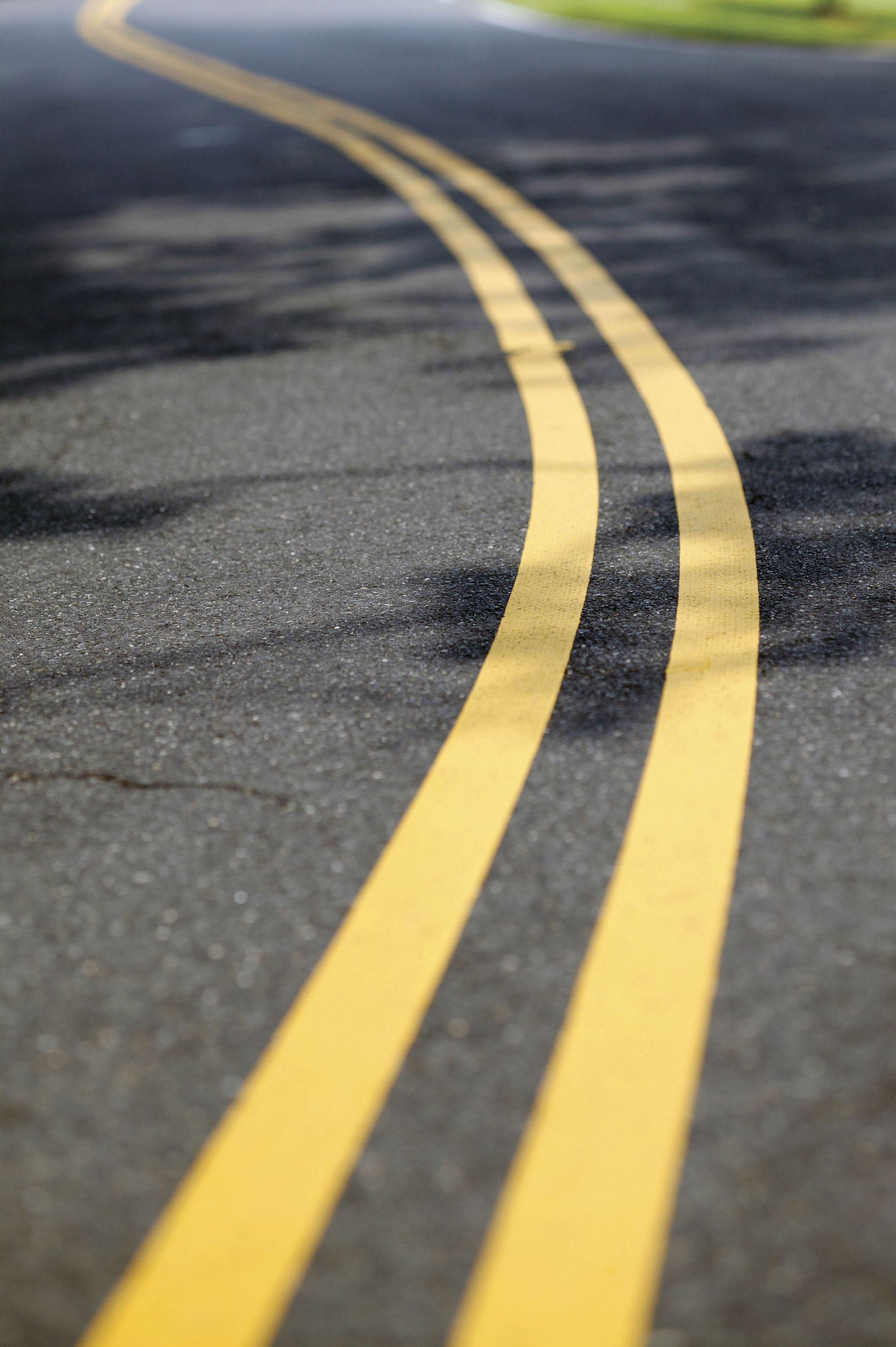
Local road striping services are an integral component in the fabric of modern transportation infrastructure. They provide essential markings on roadways that guide traffic, ensure safety, and enable efficient transport. With growing urban populations and increasing vehicle numbers, the demand for effective local road striping services becomes critically important. These markings are not merely practical tools; they are also regulatory necessities that support the smooth operation of daily traffic. Properly designed striping improves lane discipline, thereby reducing the likelihood of accidents. Furthermore, road markings contribute to an organized flow of traffic, helping to manage congestion and ensure timely transit. Local authorities rely on these visual cues to implement traffic management strategies that enhance the functionality of road networks. High-quality paint and thermoplastic applications ensure that these guides remain visible under the heavy duress of constant use. By maintaining these lines, cities provide a clear psychological and physical boundary for motorists. This proactive approach to infrastructure helps reduce driver anxiety and promotes a more predictable driving environment for everyone sharing the pavement. This article explores the multifaceted roles that road striping play in improving both traffic flow and road safety across communities.
Improving Essential Lane Guidance
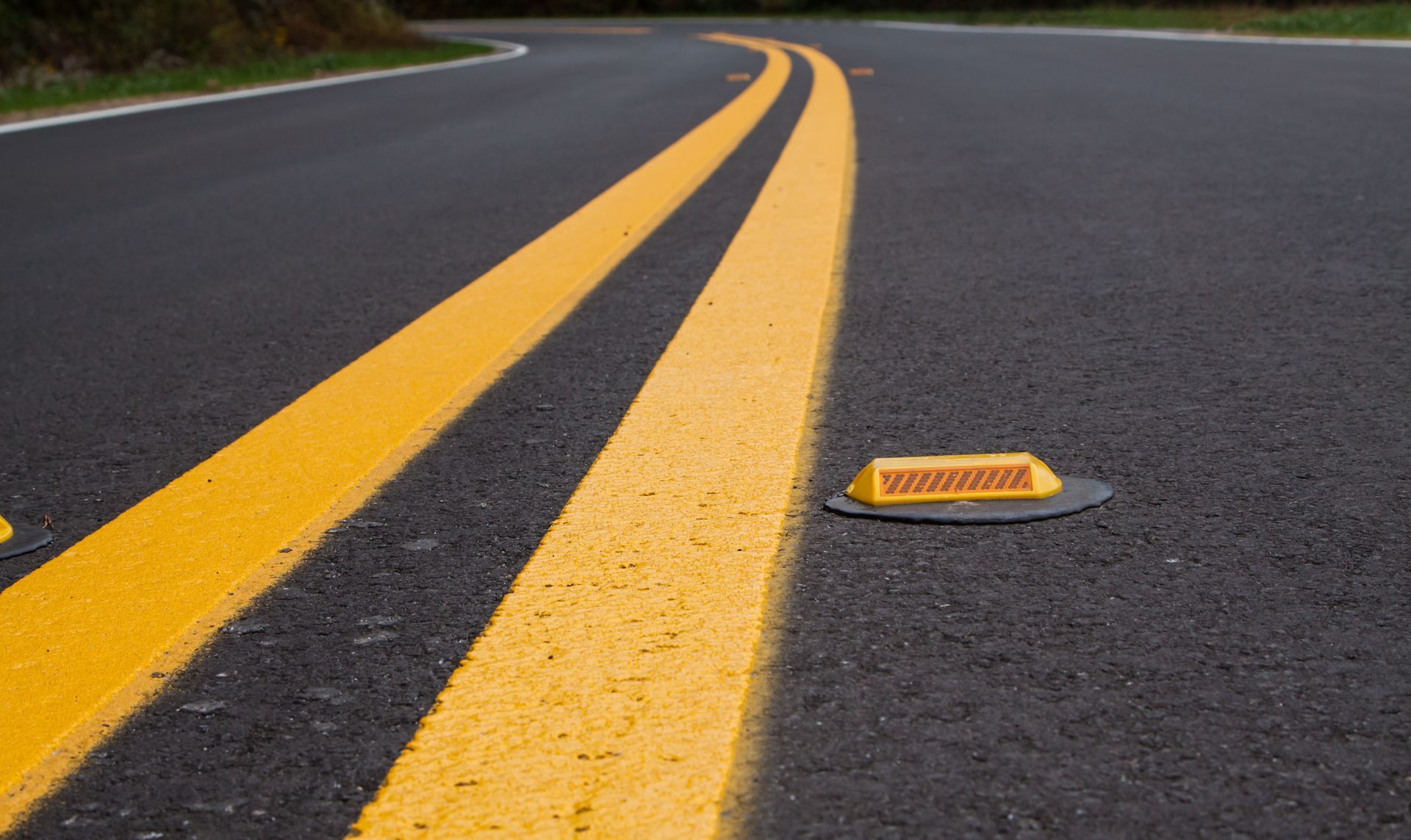
Clear lane markings are essential for guiding drivers and reducing confusion on the roads. They help drivers maintain their lane during turns, merges, and heavy traffic situations, thereby enhancing safety. Well-maintained lanes are particularly crucial during adverse weather conditions when visibility is compromised. Advanced reflective materials are often used to improve visibility at night and during fog. Local road striping services play a critical role in enhancing night and all-weather driving conditions by providing these high-contrast visual cues. When drivers can clearly see the boundaries of their travel path, the entire road network functions more predictably. Effective guidance minimizes the need for sudden corrective maneuvers, which are a leading cause of side-swipe collisions in busy urban corridors. By prioritizing clear demarcations, municipalities ensure that every motorist has the visual information necessary to navigate safely.
Reducing Urban Traffic Congestion
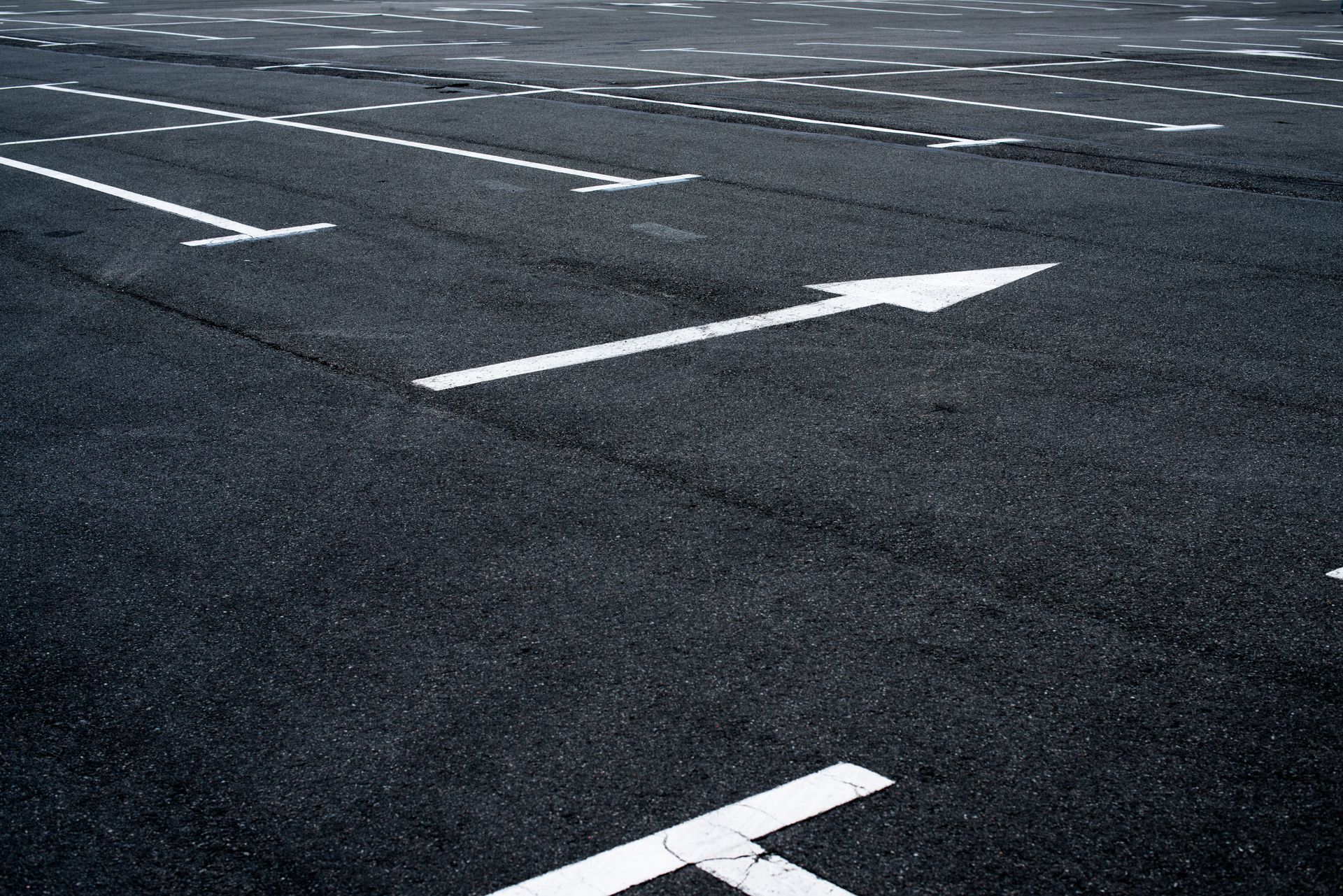
Efficient local road striping services are vital to managing traffic congestion, especially in densely populated areas. Clear and precise lane markings help organize the efficient flow of traffic, minimizing delays. Strategic use of road markings can channel vehicles into designated paths, reducing bottlenecks and improving traffic pace. This optimization contributes to reducing overall travel time and enhancing journeys. Effective use of road striping is an invaluable tool in the battle against urban gridlock, ensuring smoother and more efficient traffic flow. Properly applied markings prevent "lane drifting," which often slows down the throughput of a street. By creating dedicated turn lanes and clear merging zones, professionals help maximize the capacity of existing asphalt without the need for expensive widening projects. This streamlined movement reduces idling times and helps commuters reach their destinations more quickly and with less stress.
Prioritizing High Pedestrian Safety
Crosswalks play a crucial role in pedestrian safety, and their visibility is directly linked to preventing pedestrian-vehicle conflicts. High-contrast and reflective materials are often used to make these markings visible in various lighting conditions, enhancing pedestrian safety. Ensuring crosswalks are positioned strategically and maintained regularly is crucial in guiding both drivers and pedestrians. Local road striping services ensure that these safety zones are prominent and easily recognized by approaching motorists. Studies have shown that clear, visible crosswalks significantly reduce pedestrian accidents. The use of advanced materials can further improve crosswalk efficacy, providing safer environments for foot traffic. Beyond standard crossings, specialty markings like "yield to pedestrian" symbols and bulb-out striping further protect vulnerable road users. These visual reminders serve as a constant baseline for safety in high-activity areas like school zones and shopping districts.
Utilizing Quality Marking Materials
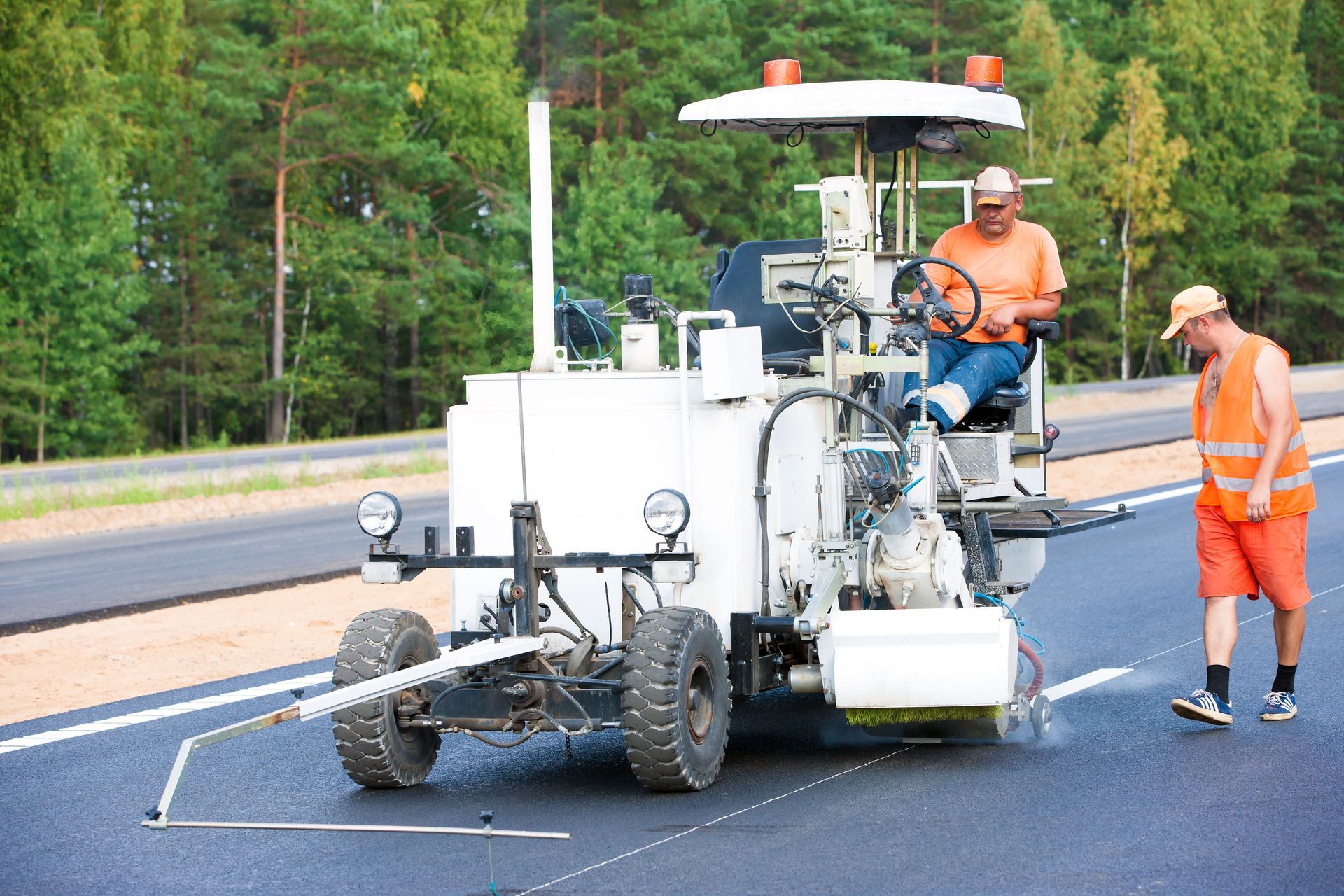
There are various materials used in local road striping services to cater to different environmental conditions and road types. Common materials include thermoplastics, water-based paints, and epoxies, each offering unique benefits. Thermoplastic markings are known for their durability and excellent reflectivity, making them ideal for high-traffic areas. Water-based paints dry quickly and are cost-effective for temporary markings or less busy roads. According to AA "Accurate & Affordable" Striping, Inc, once the liquid is applied to the street surface, it generally requires roughly one-half hour to be dry when touched and nearly 120 minutes before it is fully prepared for vehicle travel. Using the right material ensures that the stripes remain functional for as long as possible. High-performance epoxies and specialized resins are often selected for areas with heavy snowplow activity or extreme temperature fluctuations. This careful selection of materials helps maintain safety standards while providing the best value for infrastructure spending.
Lowering Long-Term Maintenance
Effective local road striping services extend the life of road infrastructure, subsequently reducing maintenance costs. By preventing accidents and facilitating smoother traffic flow, stress on roads is minimized, delaying the need for repairs. Durable materials reduce the frequency of reapplication, leading to long-term savings for municipalities. Properly executed striping strategies act as a preventative measure, safeguarding roads from excessive wear and tear. This proactive approach to road maintenance presents significant cost savings over traditional methods of traffic management. When traffic is channeled correctly, the wear on the pavement is distributed more evenly, preventing the deep rutting that leads to premature resurfacing needs. Furthermore, by reducing the frequency of collisions, cities save on the indirect costs associated with emergency response and property damage. Investing in high-quality application today means fewer repairs and lower tax burdens for the community in the future.
Adhering to Strict Regulations
Regulatory standards for road striping are established to maintain consistency, safety, and efficiency across regions. These standards dictate the color, width, and placement of road markings to ensure uniformity and recognition. Government bodies mandate regular audits and upkeep to ensure compliance. Professional local road striping services must adhere to these regulations during the application process to enhance safety for all road users. The adherence to such standards is critical in minimizing accidents and promoting a cohesive traffic management system. Consistency across different jurisdictions ensures that a driver from one state can easily understand the markings in another. This universal language of lines and symbols is essential for high-speed travel where split-second decisions are made. By following the Manual on Uniform Traffic Control Devices, providers ensure that every arrow, line, and word on the pavement serves a specific, legally recognized purpose.
The importance of maintaining high-quality road markings cannot be overstated, as they are fundamental to the safety and efficiency of our modern world. From the simple task of delineating a center line to the complex integration of smart sensors, every stripe serves a vital purpose. Professional local road striping services provide the technical proficiency and high-grade materials necessary to keep our streets organized. As urban areas continue to expand, the reliance on these visual guides will only grow. Clear, durable, and compliant markings reduce driver stress and protect pedestrians, creating a more harmonious environment for everyone. Municipalities that prioritize these services see tangible results in accident reduction and improved traffic throughput. By investing in the clarity of our roadways, we are investing in the safety and economic health of our neighborhoods. Consistent upkeep of these markings also signals to the community that public safety is a top priority for local leadership. When roads are well-maintained, it encourages a culture of respect among all commuters and residents. Utilizing the latest application technologies ensures that the longevity of these markings matches the high standards expected by modern citizens. For reliable results on your next project, contact AA "Accurate & Affordable" Striping, Inc today.
Share On: