
How a Massive Drive for Safer Highways Is Changing Modern Road Striping
Highway safety depends on far more than vehicle design, traffic laws, and driver awareness. The physical infrastructure surrounding motorists also plays an important role in helping people understand where to drive, when to change lanes, and how to respond to changing roadway conditions. As transportation agencies place greater emphasis on preventing crashes and improving visibility, road striping is becoming an increasingly important part of modern highway improvements.
Advances in pavement-marking materials, application equipment, and transportation technology are changing how agencies approach roadway markings. Instead of treating painted lines as a basic maintenance task, many transportation professionals are looking at markings as an active component of the overall safety system. These developments are also creating opportunities to make highways more visible, durable, and compatible with emerging transportation technologies.
What Is Modern Road Striping?
Modern road striping involves applying lines, symbols, arrows, and other markings to pavement to organize traffic and communicate information to drivers. While the basic purpose remains familiar, today's materials and application methods can be considerably more advanced than traditional paint.
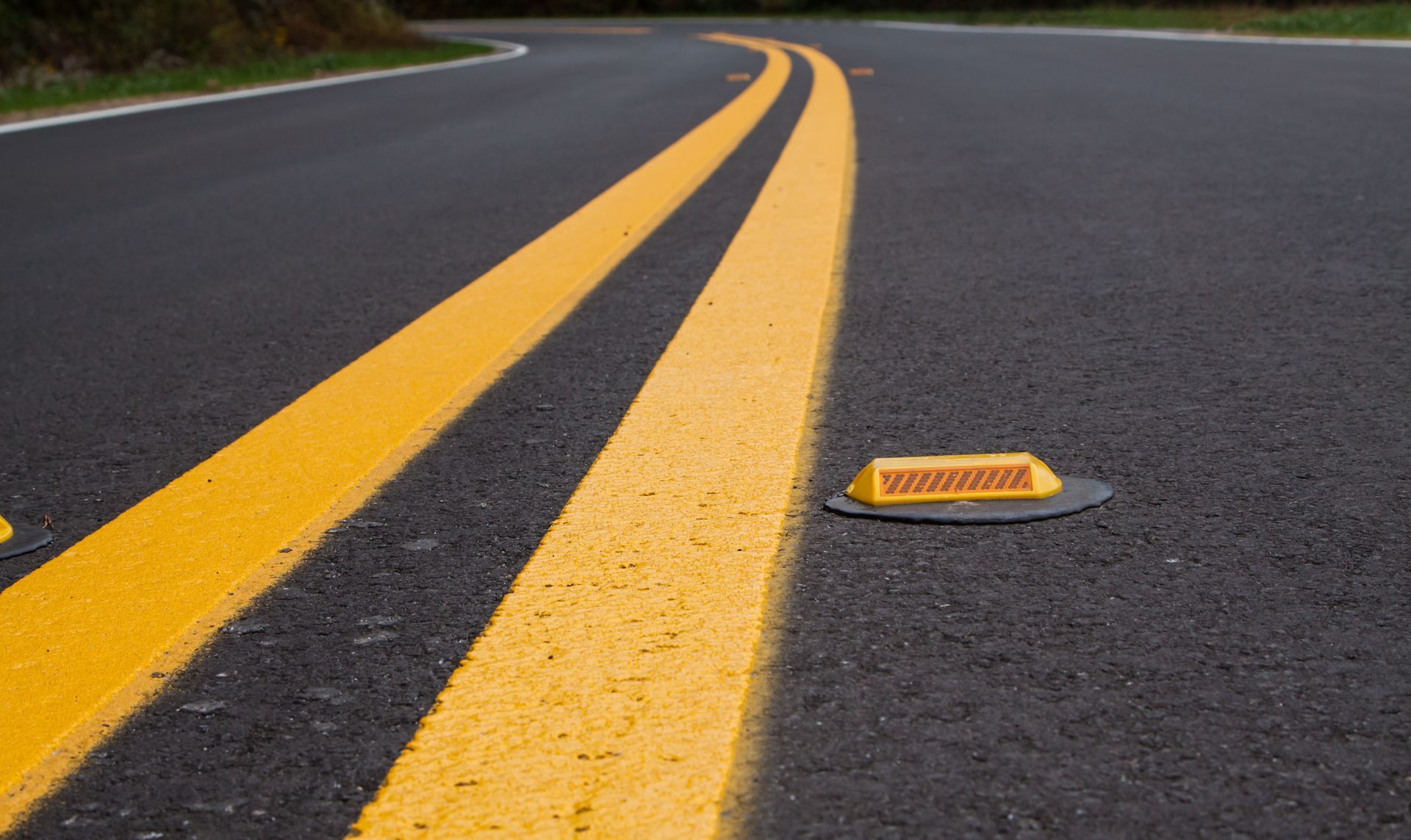
Conventional traffic paint remains widely used because it can be applied efficiently and is generally economical. However, thermoplastic markings, preformed materials, and other high-performance pavement-marking products can provide greater durability and visibility in demanding conditions. Some applications also incorporate reflective elements that help markings remain visible when illuminated by vehicle headlights.
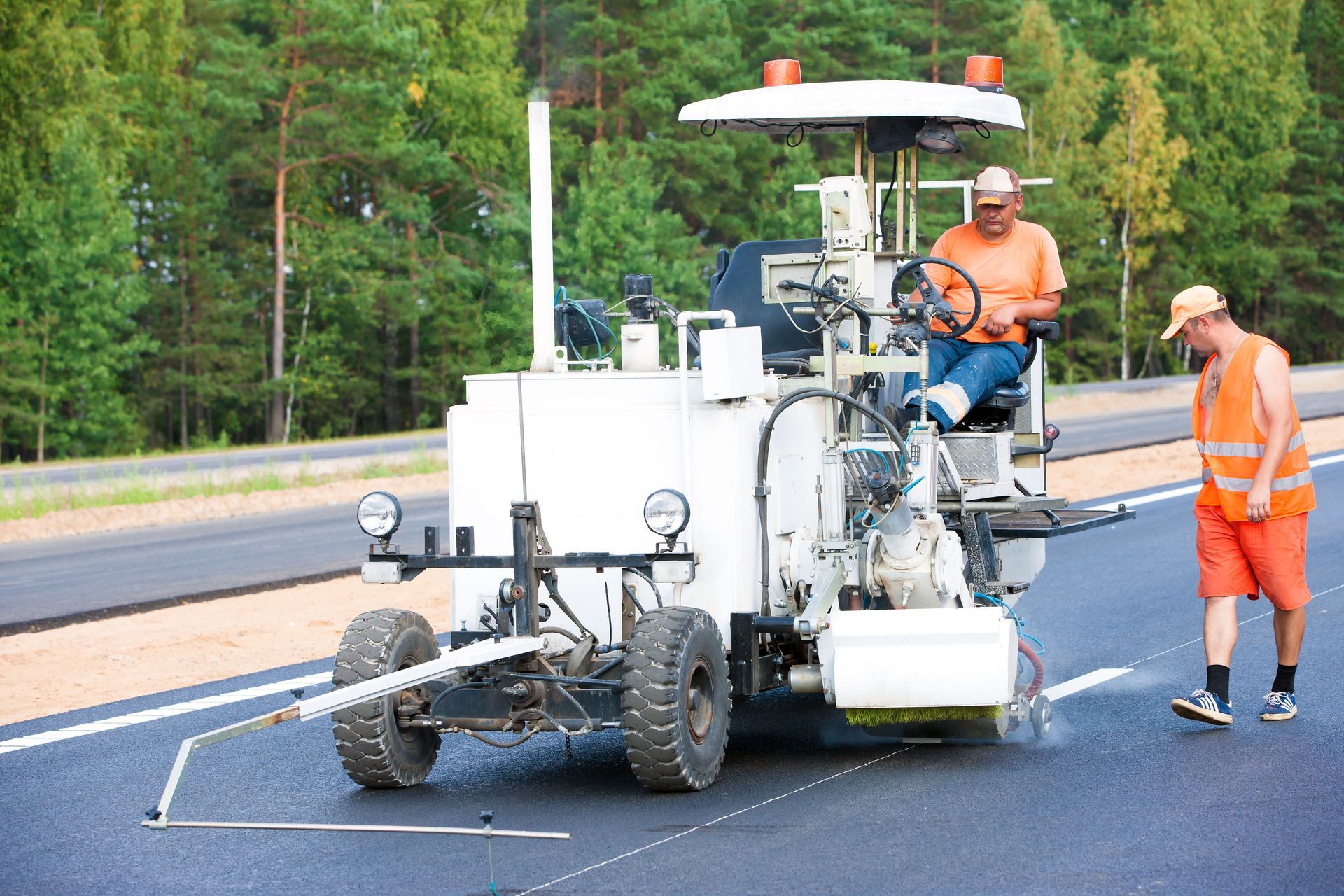
Application equipment has advanced as well. Modern striping machines can use computerized controls to improve consistency in line placement, thickness, and spacing. Some equipment can also monitor application rates and other factors during a project. Better precision can help contractors and transportation agencies produce more consistent markings across long stretches of highway.
These changes matter because road markings have to withstand traffic, weather, snowplowing, road treatments, and repeated exposure to sunlight. A marking that becomes difficult to see shortly after installation may provide considerably less value than one designed to remain visible for a longer period.
How Does Road Striping Improve Safety?
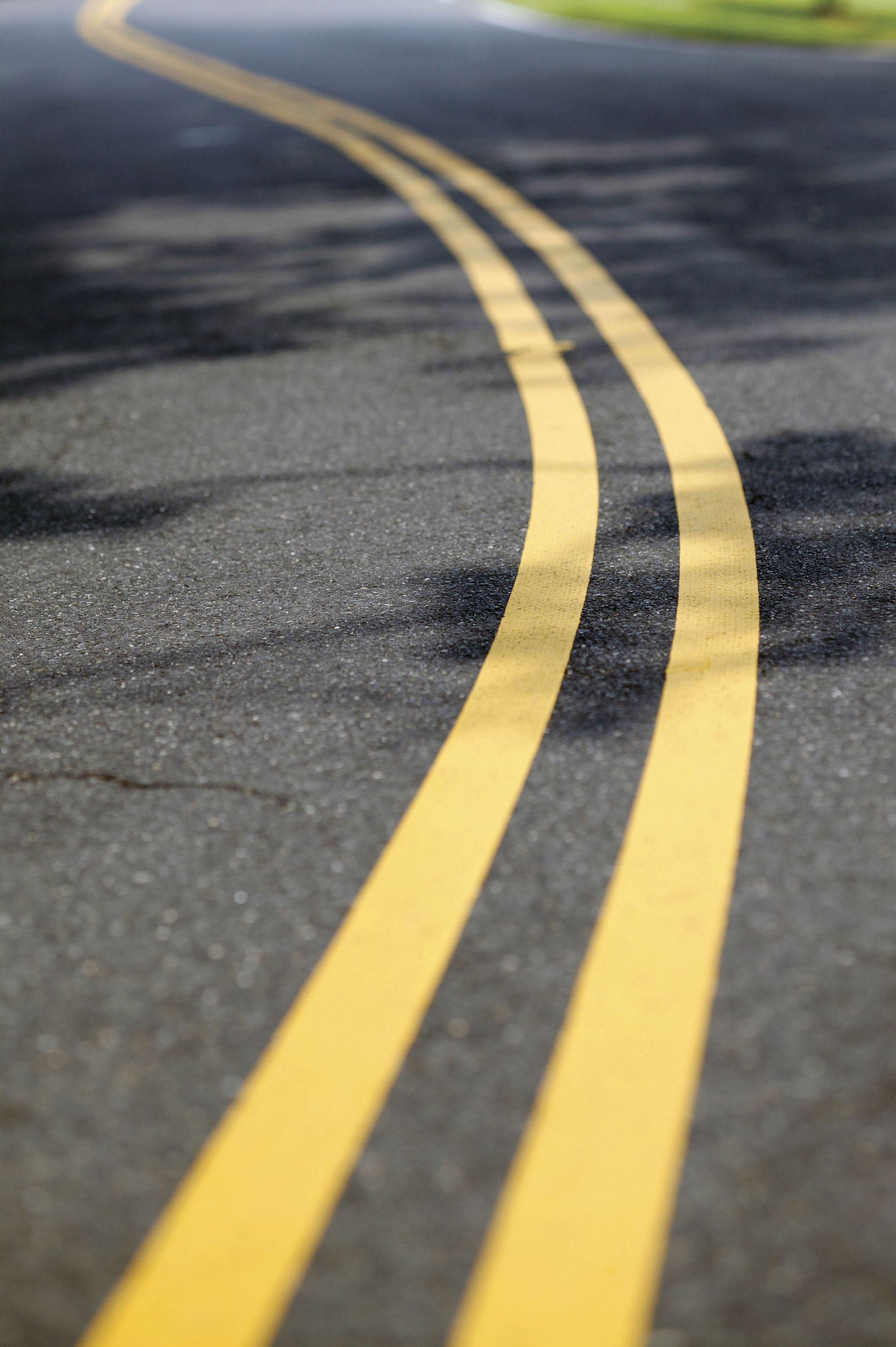
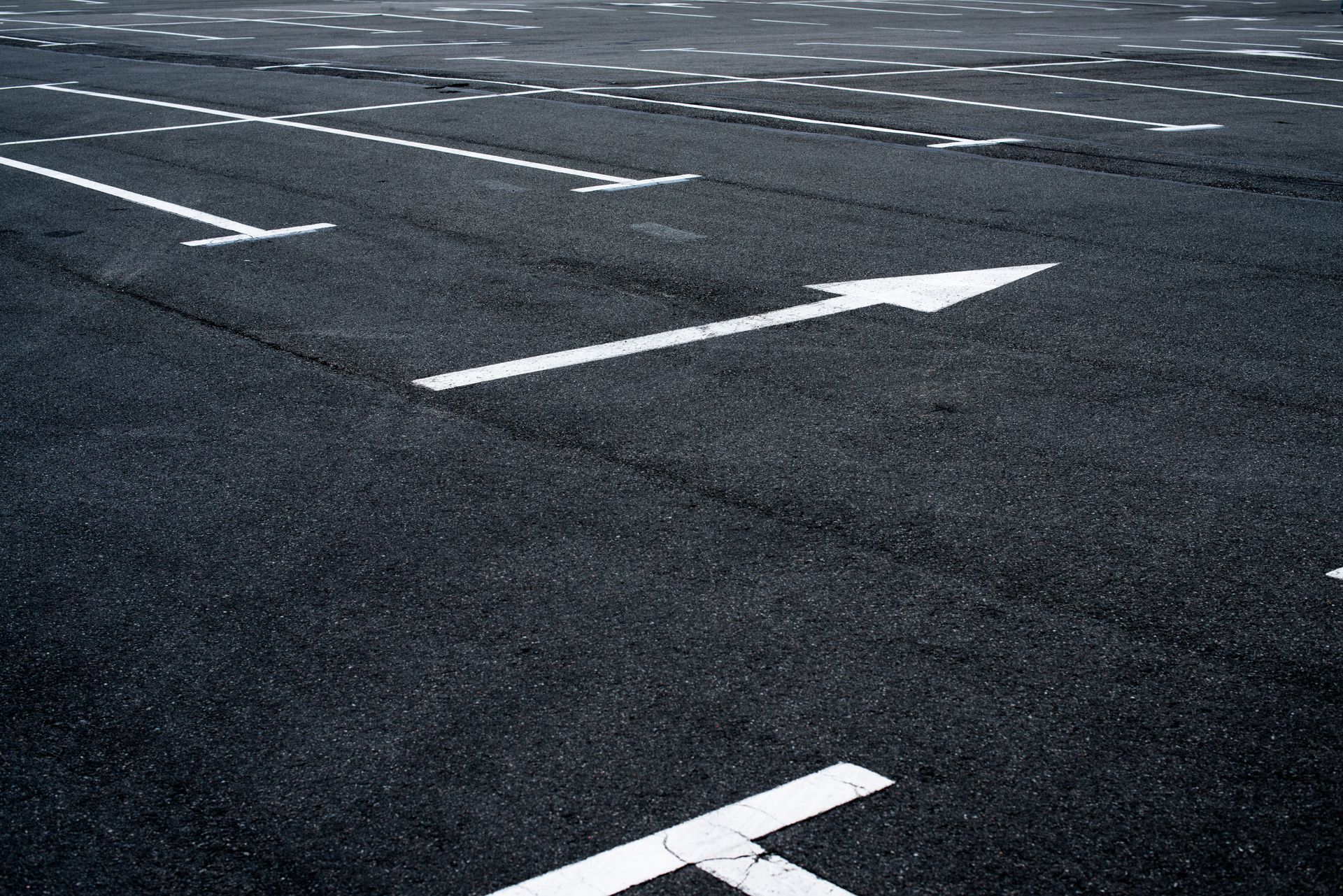
Clear pavement markings provide drivers with visual information that helps them interpret the roadway. Lane lines distinguish travel lanes, edge lines identify pavement boundaries, and arrows and symbols communicate traffic movements. On highways, these visual cues can become particularly important at night, during poor weather, or in areas where roadway geometry changes.
Visibility is a central consideration. When markings are faded, damaged, or difficult to distinguish from the pavement, drivers may have more difficulty maintaining their position within a lane or recognizing where lanes begin and end. Well-maintained markings can provide clearer visual guidance and reinforce other signs and traffic-control devices.
The growing emphasis on safety is reflected in the market for pavement-marking products. According to WifiTalents, the road safety segment is expected to account for 36% of global pavement-marking product demand by 2029. That projection illustrates how strongly safety considerations are influencing the development and use of pavement-marking systems.
Road striping can also contribute to safer work zones and intersections. Temporary markings, directional arrows, lane shifts, and other pavement indicators can help drivers understand changes in traffic patterns. In locations with heavy traffic volumes, maintaining clear visual guidance can be especially important because drivers have less time to react to confusing or unexpected roadway conditions.
What Are the Benefits of Advanced Road Striping Technologies?
One major benefit of newer marking technologies is improved visibility. Reflective materials can help markings stand out under headlights, while specialized formulations can be designed to maintain their appearance through repeated exposure to traffic and environmental conditions.
Durability is another significant advantage. Highway markings can experience considerable wear, particularly on heavily traveled roads. Snowplows, studded tires in some regions, road salt, precipitation, and temperature fluctuations can all contribute to deterioration. More durable materials may extend the usable life of markings and reduce how frequently they need to be replaced.
Advanced road striping can also support more efficient maintenance. If a marking remains functional for a longer period, transportation agencies may be able to reduce the frequency of certain maintenance activities. Although advanced materials and application methods can have higher initial costs, their longer service life may make them economically attractive over time.
Consistency is another consideration. Automated equipment and improved measurement systems can help crews apply markings according to established specifications. Consistent line widths, spacing, and positioning can make roadway markings easier for motorists to interpret while also helping large projects maintain uniform standards.
How Is Road Striping Being Integrated Into Smart City Projects?
Smart city initiatives increasingly focus on connecting physical infrastructure with digital systems. Roadways are part of that transformation, and pavement markings can play a supporting role in how transportation networks communicate information to vehicles and people.
Connected and automated vehicles rely on cameras, sensors, and other technologies to interpret their surroundings. Clearly defined lane markings can provide useful visual information for these systems. Although pavement markings are only one component of automated driving technology, their quality can influence how effectively roadway environments are interpreted.
Transportation agencies are also experimenting with technologies that can monitor pavement conditions and roadway infrastructure. Data collected through vehicles, sensors, mapping systems, and maintenance equipment can help identify areas where markings have deteriorated and may require attention.
This creates a potential shift from reactive maintenance toward more data-driven approaches. Instead of waiting for markings to become visibly worn or relying exclusively on scheduled inspections, agencies may increasingly use collected information to determine where maintenance should occur first.
In this environment, road striping becomes part of a broader transportation network rather than an isolated construction activity. Markings can help support conventional drivers today while also contributing to infrastructure that is increasingly designed around connected transportation.
What Challenges Are Faced in Implementing New Road Striping Practices?
Despite the potential advantages, adopting new pavement-marking technologies is not always straightforward. Cost remains an important consideration. Transportation agencies often operate under limited budgets while managing large networks of roads, bridges, signs, and other infrastructure. Allocating additional funding toward advanced markings may require agencies to weigh immediate expenses against potential long-term benefits.
Material availability can create another challenge. New products may require specialized equipment, trained crews, or application conditions that differ from traditional pavement paint. Contractors and agencies may need to modify established procedures before introducing unfamiliar technologies on a large scale.
Weather and roadway conditions can also affect implementation. Temperature, moisture, pavement condition, traffic levels, and seasonal maintenance schedules can influence when and how markings are applied. In regions that experience severe winters, agencies must also account for the effects of snow removal and deicing practices.
Regulatory requirements may present additional obstacles. Transportation projects frequently have to comply with established specifications governing marking colors, dimensions, reflectivity, placement, and materials. New products or techniques may therefore need to undergo testing and evaluation before they can become widely adopted.
Finally, modernization requires coordination. Transportation departments, municipalities, contractors, engineers, technology companies, and other stakeholders may all have different priorities. Developing consistent standards and determining which innovations offer measurable safety improvements can take time.
The push for safer highways is changing the way transportation professionals think about pavement markings. Modern materials, improved application equipment, reflective technologies, and data-driven maintenance strategies are creating new possibilities for roadway safety and infrastructure management.
Road striping remains a relatively simple concept, but the technology behind it is becoming more sophisticated. Better visibility and durability can help drivers interpret roadways, while emerging connections with smart transportation systems could give pavement markings an expanded role in the future.
As transportation agencies continue investing in highway safety, the importance of maintaining clear, durable, and well-designed markings is likely to grow. The next generation of
road striping may combine familiar visual guidance with increasingly advanced materials, monitoring systems, and connected infrastructure, helping highways become safer and more adaptable for the years ahead. If you're looking for quality line striping, reach out to the team at AA "Accurate & Affordable" Striping, Inc today!
Share On: